
"soil requirements"
4000 article(s) found

Introduction to the growing environment and planting requirements of coffee trees
Growth environment and planting requirements of coffee beans | Natural environment and characteristics of coffee beans suitable for growth. Wen Honggang, coffee, Sichuan baristas club, Yunnan Yitian boutique coffee farm. Certified Coffee Certified Organic Coffee is grown without synthetic pesticides, herbicides or fertilizers, which helps keep healthy soil and groundwater pure. And coffee beans must also be certified organic workers.

What conditions do coffee trees need for planting? what are the requirements for the natural environment?
The origin of the coffee tree is Ethiopia in Africa. In botany, coffee trees belong to the evergreen trees of the subgenus Rubiaceae, and coffee beans, commonly known as coffee beans, are the seeds of the fruit of coffee trees, just because they are shaped like beans, so they are called coffee beans. Climate is the decisive factor for coffee cultivation. Coffee trees are only suitable for growing in the tropics or subtropics, so latitude 25 is south and north.

What conditions do coffee trees need for planting? do they have high requirements on local climate?
The origin of the coffee tree is Ethiopia in Africa. In botany, coffee trees belong to the evergreen trees of the subgenus Rubiaceae, and coffee beans, commonly known as coffee beans, are the seeds of the fruit of coffee trees, just because they are shaped like beans, so they are called coffee beans. Climate is the decisive factor for coffee cultivation. Coffee trees are only suitable for growing in the tropics or subtropics, so latitude 25 is south and north.

The requirement of altitude for coffee beans the effect of altitude on the flavor of coffee beans
It is often mentioned that the altitude determines the flavor of beans. When it comes to beans with high altitude, the impression of outstanding flavor and mellow taste often comes to mind. On the other hand, the beans with low altitude will show the impression of being boring and lack of taste. The cause of this phenomenon has a lot to do with the diurnal temperature difference of beans, soil and water and other time. Because the temperature difference between day and night in high altitude area is larger than that in low altitude area.

Description of flavor and taste of Colombian coffee beans and their development history planting requirements and grades of raw beans
Columbia Coffee producing area Information Republic of Colombia (Spanish: Repblica de Colombia), located in northwest South America, facing the Pacific Ocean to the west, the Caribbean Sea to the north, Venezuela to the east, Brazil to the southeast, Peru and Ecuador to the south and Panama to the northwest. There are coastal plains in the west, consisting of three parallel Cordillera Mountains in the west, central and east.

What weather conditions are required for planting coffee trees
The planting conditions of coffee trees the origin of coffee trees is in Ethiopia, Africa. In botany, coffee trees belong to the evergreen trees of the subgenus Rubiaceae, and coffee beans, commonly known as coffee beans, are the seeds of the fruit of coffee trees, just because they are shaped like beans, so they are called coffee beans. Climate is the decisive factor for coffee cultivation, and coffee trees are only suitable for growing in the tropics or subtropics.

Planting requirements of Coffee and introduction of Environment, Weather and Climate
Coffee fruit contains two seeds, namely coffee beans. The two beans are connected face to face with each other on one side of the plane. Each coffee bean has a thin outer film, which is called silver skin, and its outer layer is covered with a yellow outer skin, called endocarp. The whole coffee bean is wrapped in a sticky pulp to form coffee pulp, which is soft and sweet.

Planting knowledge of Coffee trees guided by cultivation techniques of small Coffee
Small-grain coffee is a shrub of Rubiaceae, which is suitable for planting in areas with an annual average temperature of 19 ℃ ~ 21 ℃ and an altitude of 800-1400m. It has the advantages of fast plant growth, early fruit and high yield. The land preparation should choose the contour platform with deep soil layer, loose and fertile soil, clean wind, sufficient light and shade trees, annual rainfall of 700 to 1600 mm, slope of less than 30 degrees, and row spacing of 2 to 3 meters.

Cultivation techniques of small Coffee guiding the selection of Coffee Bean varieties
Small-grain coffee is a shrub of Rubiaceae, which is suitable for planting in areas with an annual average temperature of 19 ℃ ~ 21 ℃ and an altitude of 800-1400m. It has the advantages of fast plant growth, early fruit and high yield. The land preparation should choose the contour platform with deep soil layer, loose and fertile soil, clean wind, sufficient light and shade trees, annual rainfall of 700 to 1600 mm, slope of less than 30 degrees, and row spacing of 2 to 3 meters.

Technical guidance for the cultivation of small-grain coffee
The cultivation techniques of small-grain coffee planting, land preparation, variety selection, timely planting, shade and so on.

The History of Coffee trees what are the environmental requirements for planting coffee trees
In fact, the Arabs began to grow coffee in 525 BC, and chewing fried coffee beans became popular in the Arab region. In 890 AD, Arab merchants sold coffee beans to Yemen, and Yemenis made coffee beans into drinks for the first time. In the 15th century, coffee was introduced into Europe, Asia and soon into America. By the 18th century, tropical and subtropical regions around the world were widespread.
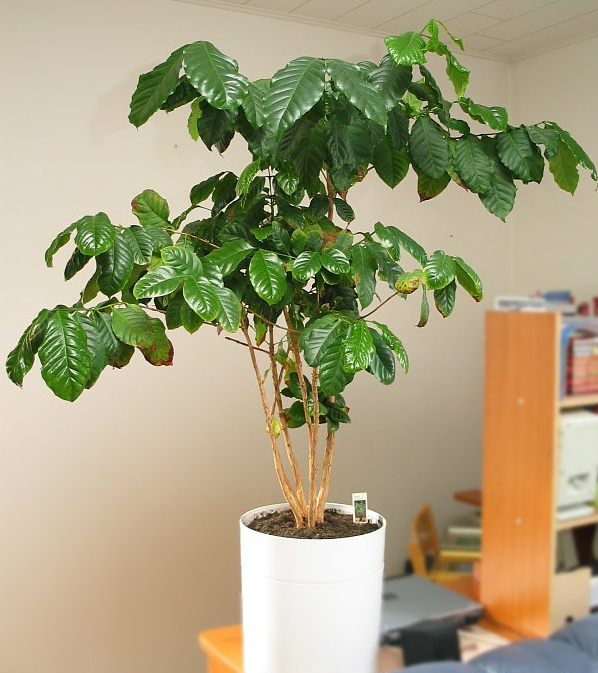
Technical Essentials of planting domestic Coffee trees
First, seeds: they can be picked by themselves or purchased online. Second, seed treatment: choose coffee seeds with good quality and parchment. Third, planting: the treated seeds can be planted directly or soaked in water before planting. Direct planting is very simple, put the seeds directly into vermiculite, the thickness of the surface soil and the thickness of the seeds can be the same; soaking varies according to different seasons. Such as
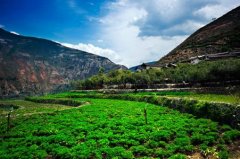
Cultivation techniques of Baoshan small-grain Coffee
I. the environmental conditions required by small-grain coffee originated in Ethiopia in north-central Africa, located in 69 N, 3440 E, 13001900m above sea level, with 16001900mm precipitation and an average annual temperature of 20 ℃. In the process of long-term evolution, coffee has specific requirements for environmental conditions due to the joint action of biology and climate.
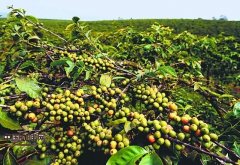
Common sense of Coffee planting requirements and conditions of Coffee trees
The origin of the coffee tree is Ethiopia in Africa. In botany, coffee trees belong to the evergreen trees of the subgenus Rubiaceae, and coffee beans, commonly known as coffee beans, are actually the seeds of the fruit of coffee trees. They are called coffee beans only because they are shaped like beans. Climate is the decisive factor for coffee cultivation. Coffee trees are only suitable for growing in the tropics or subtropics, so latitude 25 degrees south and north.

How to raise potted Coffee trees
Flower friends who like to drink coffee may prefer to plant a coffee tree on their own. Potted coffee trees are not a dream, but can be realized. This article introduces the experience of a flower friend planting coffee trees. Location: Beijing, species: coffee, seeds: can be picked by yourself, can also be obtained from friends. Second, seed treatment: carefully cut a small opening in the epidermis with a knife or scissors
Planting requirements and conditions of Coffee trees
The origin of the coffee tree is Ethiopia in Africa. In botany, coffee trees belong to the evergreen trees of the subgenus Rubiaceae, and coffee beans, commonly known as coffee beans, are actually the seeds of the fruit of coffee trees. They are called coffee beans only because they are shaped like beans. Climate is the decisive factor for coffee cultivation. Coffee trees are only suitable for growing in the tropics or subtropics, so latitude 25 degrees south and north.
General knowledge of high-quality coffee planting requirements and conditions of coffee trees
The origin of the coffee tree is Ethiopia in Africa. In botany, coffee trees belong to the evergreen trees of the subgenus Rubiaceae, and coffee beans, commonly known as coffee beans, are actually the seeds of the fruit of coffee trees. They are called coffee beans only because they are shaped like beans. Climate is the decisive factor for coffee cultivation. Coffee trees are only suitable for growing in the tropics or subtropics, so latitude 25 degrees south and north.

Conditions for growing coffee beans grow coffee at home
For professional baristas, please pay attention to the coffee workshop (Wechat official account cafe_style) Coffee is generally suitable for growing in places where the climate is warm, sunny and Rain Water is moderate (alternating wet and dry climate). The circular zone centered around the equator and between the north and south latitudes of 25 degrees is the natural growth area of coffee, which is usually called the coffee belt. 1. Climatic conditions

Fine Coffee the planting requirements and conditions of Coffee trees
The origin of the coffee tree is Ethiopia in Africa. In botany, coffee trees belong to the evergreen trees of the subgenus Rubiaceae, and coffee beans, commonly known as coffee beans, are actually the seeds of the fruit of coffee trees. They are called coffee beans only because they are shaped like beans. Climate is the decisive factor for coffee cultivation. Coffee trees are only suitable for growing in the tropics or subtropics, so latitude 25 degrees south and north.

How should coffee seeds of potted coffee trees be planted and managed?
Flower friends who like to drink coffee may prefer to plant a coffee tree on their own. Potted coffee trees are not a dream, but can be realized. This article introduces the experience of a flower friend planting coffee trees. Location: Beijing, species: coffee, seeds: can be picked by yourself, can also be obtained from friends. Second, seed treatment: carefully cut a small opening in the epidermis with a knife or scissors